There’s a version of a distillery visit where you show up, take the tour, do the tasting, buy something from the gift shop, and leave with a pleasant memory and not much else. And there’s a version where you actually taste — where you slow down, use the right glass, take notes, ask questions, and come home with a genuine understanding of what made each pour different from the last one. The difference between those two experiences isn’t luck. It’s approach.
This guide covers how to get the most out of every pour at a distillery — from the nose to the finish, from managing a multi-stop day to asking the questions that actually get you useful answers. It’s part of the larger Kentucky Bourbon Trail travel guide →. If you’re still packing for the trip, the distillery packing guide → covers what to bring.
Before You Walk In the Door
A few things that happen before you set foot in a tasting room determine the quality of everything that follows.
Eat a real meal first. Tasting bourbon at cask strength on an empty stomach is a fast path to an afternoon that gets blurry faster than you planned. A full meal before your first stop and snacks in the car between distilleries keeps your palate functional and your afternoon intact. This isn’t a suggestion — it’s the most important thing on this list.
Skip the cologne or perfume. Seriously. Nosing bourbon is mostly about smell, and anything competing with the aromas in the glass ruins the experience for you and, frankly, for the people tasting near you. This is one of those courtesy details that most tasting room staff wish they could put on the front door.
Know the basic vocabulary going in. You don’t need to be an expert. But knowing what people mean when they say mash bill, bottled in bond, barrel proof, wheater, or high rye means you’ll actually follow the tour guide’s explanations rather than smiling and nodding. The Bourbon Terms Glossary → covers all of it in plain language.
Bring your own glass. Every tasting room will give you something to use. Bring a Glencairn anyway. This might sound a little absurd, and certainly isn’t a requirement. The tulip shape concentrates the nose in a way that the standard house glass (usually a rocks glass or a straight-sided tumbler or worse a plastic dixie cup or shot glass) simply doesn’t. The difference in the aromatic experience is immediate and significant. At a tasting where the entire point is evaluating what’s in the glass, this matters.
How to Actually Taste
Bourbon tasting has a structure, and following it — even loosely — produces meaningfully better results than just sipping and reacting. Here’s the approach we use.
Look First
Hold the glass up to the light and look at the color. Bourbon gets its color entirely from the barrel — no caramel coloring is permitted in straight bourbon — so color tells you something real. Deeper amber and mahogany tones generally indicate longer barrel time or more aggressive charring. Lighter gold can indicate younger whiskey or a lighter toast level. It’s not a definitive guide, but it’s the first piece of information you have. Notice it.
Nose Before You Taste
Nosing is where most of the flavor information lives — far more than most people expect going in. Don’t stick your nose all the way into the glass on your first approach, especially with a high-proof expression. Start with the glass a few inches from your nose and take a short sniff. Let the alcohol dissipate for a moment. Then bring it closer and take longer, slower draws through your nose with your mouth slightly open.
What you’re looking for: fruit, vanilla, caramel, oak, spice, grain, floral notes. Don’t force it. If something registers as fruit, let it be fruit for a moment before you try to narrow it down to cherry or apricot. The first impressions are often the most honest ones.
The First Sip — Neat
Take a small first sip and let it coat your entire palate before you swallow. Don’t chase it. The initial sensation is often alcohol heat — that’s the proof announcing itself. That’s fine. Let it settle, then pay attention to what comes after: the sweetness, the grain character, the fruit and spice notes, the oak. Notice where the flavor lives in your mouth — front of the palate, mid-palate, back. High-rye bourbons tend to push their spice through the mid-palate and into the finish. Wheated bourbons are often softer and rounder on the front and mid-palate.
Add a Few Drops of Water
This is the step most people skip and shouldn’t. A small amount of water — just a few drops, not a splash — lowers the proof enough to open up aromatic compounds that the alcohol was suppressing. Nose the glass again after adding water and you’ll frequently find that the fruit and floral notes that were buried under the heat have come forward. The flavor character on the palate often shifts as well, sometimes dramatically. This is especially worth doing with barrel-proof expressions where the proof is high enough that alcohol is genuinely masking some of what’s in the glass.
The Finish
The finish is what stays after you swallow — how long it lasts, what it tastes like, and how it changes over the next thirty seconds to a minute. A long finish that evolves is generally a sign of complexity and quality. A finish that disappears immediately tells you something too. Pay attention to whether the finish is warming or hot, sweet or dry, spicy or smooth. These distinctions are what separate pours that feel similar on the palate into genuinely different characters by the time you’re done.
The same approach works at home tastings as at distilleries. The full guide to running your own tasting — flights, pours, scorecards — is in How to Host a Bourbon Tasting at Home →
Write It Down While You’re There
The human brain is not good at retaining specific tasting impressions across multiple pours in a single day. What you’re tasting at stop three will blur into what you tasted at stop one by the time you’re at stop four. The notes you think you’ll remember become vague impressions by the next morning and memory-adjacent fictions by the following week.
Write things down as you go. The specific pour, the proof, the mash bill if they tell you, the nose, the palate, the finish, what you’d compare it to, whether you’d buy a bottle. The distillery, the tour guide’s name, the date, the rickhouse number if they took you inside one. These details are what turn a pleasant memory into something you can actually use when you’re standing in a liquor store six months later trying to remember why you wrote that distillery’s name on a piece of paper.
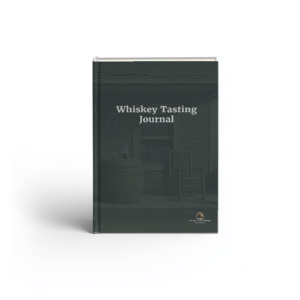
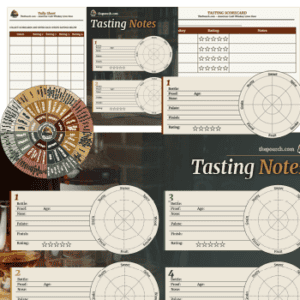
The Pourch Bourbon Tasting Journal
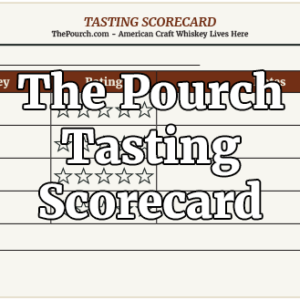
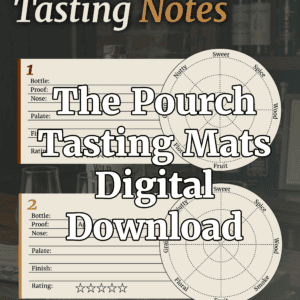
Structured tasting forms with a 12-spoke flavor radar chart and a full context page per pour — designed for distillery visits and home tastings in the same format. The context page captures everything about the visit itself: the distillery, the tour, the barrel, the date, the setting. The tasting form captures the pour. Together they make the notes actually useful. Print-on-demand, shipped to your door.
Shop The Pourch →Managing a Multi-Stop Day
The Kentucky Bourbon Trail is built for multi-stop days, and managing that experience well is different from managing a single distillery visit.
Three stops is the comfortable number. Two is better if you’re doing full tours and extended tastings at each. Five is ambitious and usually means the last two stops are wasted on a palate that’s been overwhelmed. The temptation to pack the day as full as possible is real, but the best distillery trips are the ones where you remember what you tasted — not the ones where you technically visited the most stops.
Water between every stop. Not between every pour — between every distillery. A full glass of water in the car between stops resets the palate and keeps the afternoon functional. This is the single most effective thing you can do to maintain tasting quality across a multi-stop day.
Order your stops intentionally. Start with lighter, lower-proof expressions and build toward the bigger, more complex stuff. Starting your day with a barrel-proof single barrel and then moving to standard proof expressions means you’re tasting backward — the delicate nuances of the lighter pours get lost after your palate has been calibrated to high proof. Most tasting rooms will guide you through their pours in an intentional order. Let them.
Don’t feel obligated to finish every pour. You’re tasting, not drinking. Spit if you need to — serious tasting rooms won’t blink at it. Dump what’s left in your glass before moving to the next pour. The goal is accurate evaluation of what’s in the glass, and that doesn’t require consuming everything in it.
Eat between stops. A snack in the car or a full meal between the second and third stop resets the palate and keeps the afternoon sustainable. The distilleries that have restaurants on site — Bardstown Bourbon Company, Log Still, Jeptha Creed, the Garden & Gun Club at Stitzel-Weller — are worth building into the schedule rather than just treating as a quick food option.
Questions Worth Asking
Tour guides and tasting room staff at serious distilleries know their product deeply and most of them are genuinely happy to go deeper if you ask the right questions. A few that consistently produce useful answers:
What’s in the mash bill? The grain recipe — typically corn percentage, secondary grain (rye or wheat), and malted barley — is the foundation of the flavor profile. High-rye mash bills produce spicier, drier bourbons. Wheated mash bills are softer and sweeter. Knowing which you’re tasting gives the flavor context.
What’s the entry proof and what’s the barrel proof? Federal law requires bourbon to enter the barrel at no more than 125 proof and bottle at no less than 80 proof. The difference between entry proof and barrel proof tells you how much the barrel influenced the final product. And if you’re tasting a barrel proof expression, knowing the actual proof tells you what you’re working with.
Where in the rickhouse does this barrel come from? Barrel location matters significantly. Barrels on upper floors experience more temperature swing than lower floors, which means more in-and-out movement through the wood and more extraction. Upper floor barrels tend to be bolder and more concentrated. Lower floors are often more subtle and delicate. This is why some distilleries offer floor-specific expressions and why the question is worth asking.
Is there anything in the gift shop that isn’t available at retail? Always ask this. Every distillery has something — a single barrel pick, a limited release, an experiment from the R&D program, a bottle that only exists in that building. Some of the best bottles you’ll ever open come from answers to this question.
Buying Bottles — What to Think About
Every distillery gift shop carries bottles you won’t find at home, and the temptation to buy everything you taste is real and understandable. A few things worth thinking about before you hand over the credit card.
Buy what genuinely moved you during the tasting, not what sounded impressive on the tour. The bottle that made you stop and write three lines in your journal is the one worth buying. The bottle you bought because the label looked good or the proof number was high is the one that sits on your shelf without context.
Check whether anything at the gift shop is available at retail near your home before you pay the distillery price. Some distilleries charge a premium for the experience — which is fair — but others price their retail expressions the same as you’d find them anywhere. Know what you’re paying for.
And remember the packing situation. Budget the bottle space in your checked bag before you start buying. The system for getting bottles home safely is in What to Pack for a Distillery Tour →.
For the full regional breakdown — which distilleries are worth building your day around in each part of Kentucky — start with The Kentucky Bourbon Trail Travel Guide →
The Pourch Verdict
Tasting at a distillery rewards the same things that tasting at home rewards — attention, patience, and the willingness to slow down and actually notice what’s in the glass. The setting helps. You’re standing where the bourbon was made, talking to the people who made it, tasting it at the source. That context changes what you’re able to perceive and remember. Use the approach in this guide and you’ll come home with something more useful than a vague memory and a gift shop bag. That’s the whole point.
Affiliate Disclosure: Some links on this page are Amazon affiliate links. If you purchase through them, we earn a small commission at no extra cost to you. We only recommend gear we’d actually use. We are never paid to recommend a specific product.