Master the art of whiskey tasting notes without the snob talk. Practical tips for beginners who just want to enjoy what’s in their glass.
Introduction
Writing tasting notes shouldn’t feel like an exam in fancy vocabulary. Many beginner whiskey drinkers shy away from jotting down observations because reviews online often sound intimidating or worse, pretentious. You’ve seen it: the $3,000 unicorn bottles described with words you’ve never heard, followed by a judgmental take on the local distillery that you genuinely love.
Here’s the truth: your palate matters more than the price tag, and tasting notes are meant to help you remember what you liked, not impress strangers. This guide will walk you through how to write whiskey tasting notes that make sense, capture flavor, and don’t require a dictionary of snobby phrases.
Pro tip: If you want to sharpen your palate before writing, check out my guide: How to Taste Bourbon Like a Pro – it’ll give you the confidence to notice subtle flavors without overthinking it.
Step 1: Forget the Snobbery
The first step to writing approachable whiskey notes is to forget the need to sound fancy. Many online reviews focus on exotic descriptors or unicorn bottles, leaving beginners intimidated. But here’s the secret: you don’t need rare bottles or intricate adjectives to write good notes.
Every whiskey has flavors worth noting, even small, local distilleries can surprise you. The important part is honesty. Focus on what you actually taste and smell rather than trying to impress anyone with your vocabulary.
Remember: your notes are for you, not for some invisible panel of experts. Skip the “burnt leather over a hint of moonlight” type phrasing your readers (or future self) will appreciate real observations more than jargon.
Step 2: Focus on What You Actually Taste
Now that you’ve ditched the snobbery, it’s time to really taste. Pay attention to three key areas:
- The Nose – Give your whiskey a good sniff. What aromas jump out first? Vanilla, caramel, spice, oak? Take your time; nosing with your mouth slightly open can help.
- The Palate – How does the whiskey hit your tongue? Sweet, bitter, spicy? Are there distinct flavors at the front, middle, and back of your tongue?
- The Finish – Notice the lingering flavors. Do they fade quickly or hang pleasantly?
Small sensory practices help make your notes meaningful. Keep water nearby to cleanse your palate, or use a few plain crackers. Consider a nosing kit, many are available on Amazon and make identifying aromas fun. (Note: if you purchase a nosing kit from Amazon, The Pourch will earn a small commission.)
Take your time with each sip. Thoughtful observation will help your notes feel authentic and descriptive, without ever veering into pretension.
Step 3: Structure Your Notes
Even friendly, casual notes benefit from a little structure. You don’t need a strict formula, but a framework keeps your observations clear and consistent. One simple approach:
- Nose: What do you smell first? Any surprises?
- Palate: Which flavors dominate? Are there subtleties to note?
- Finish: How long does the flavor linger, and what does it leave behind?
- Overall Impression: Your quick summary in a sentence or two.
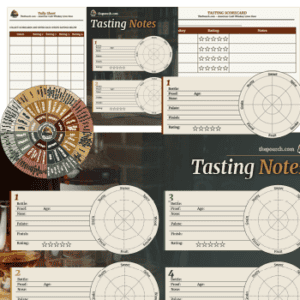
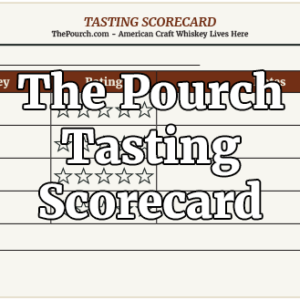
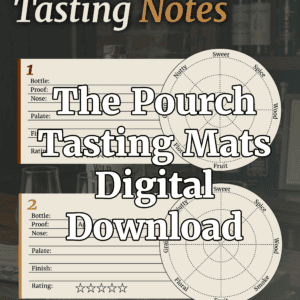
For those who want a little guidance, I’ve created a tasting notes sheet you can download and use. It keeps things structured without feeling stiff and helps you focus on your own experience rather than copying someone else’s words.
You can also check your notes against other whiskey reviews later to see how others describe similar pours, but don’t feel pressured to match their language.
If you want to check out a published review, click here to read one of mine on RD1 Amburana Finished Bourbon
Step 4: Keep It Honest and Personal
One of the most important steps in writing tasting notes is staying honest. Avoid repeating trendy adjectives just because you’ve seen them in another review. Your palate is unique, trust it.
Also, resist the urge to put down any whiskey. A snobby tone often comes from comparing a local distillery unfavorably to expensive or rare bottles. Remember: every whiskey is appreciated by someone, and your notes should reflect what you experience, not a universal hierarchy.
Here are some quick tips to keep it personal:
- Use simple descriptors that make sense to you.
- Mention flavors you genuinely notice, even if they’re “common” like caramel, oak, or vanilla.
- Compare to familiar foods or drinks if that helps (“a touch of maple syrup sweetness”).
This approach makes your notes relatable and useful, both for yourself and anyone reading them.
Step 5: Practice Makes Perfect
Writing tasting notes is a skill, and like any skill, it improves with practice. Don’t worry if your first few notes feel basic, over time, you’ll naturally expand your vocabulary and your ability to pick up subtle flavors.
Tips for ongoing improvement:
- Keep a dedicated tasting journal. Even a short note is better than none.
- Taste regularly and revisit previous notes to see how your perception evolves.
- Compare your notes with others occasionally to learn new descriptors, without copying them.
Consistency is more important than perfection. The more you practice, the more confident you’ll feel in describing what you actually taste and the less you’ll worry about sounding like a snob.
Conclusion
Writing whiskey tasting notes doesn’t have to be intimidating. By forgetting the snobbery, focusing on your actual tasting experience, structuring your notes, staying honest, and practicing regularly, you can create notes that are meaningful, clear, and fun.
Start small, enjoy the process, and remember: it’s about your palate, your experience, and your enjoyment. Once you’re comfortable, check out my whiskey reviews archive to see tasting notes in action and maybe even spot your next favorite pour.
Your tasting notes can become a record of discovery, a reference for future pours, and a way to share your experience with friends all without the pretentious language or unicorn-bottle comparison.
An by the way, we’d love to have you post your notes on The Pourch. Consider becoming a contributor, and if your interested, click here to express your interest in pulling up a chair on The Pourch. You don’t need journals full of notes to share, or a portfolio full of writing samples. All you need is an appreciation for America’s spirits, and a willingness to share your experience.
Happy tasting!